

Mar. 19, 2024
Nowadays, screw chillers are more and more widely used. Screw chillers are mainly used under harsh conditions, which will put a greater burden on the chiller. Therefore, we must regularly conduct routine inspections and preventive maintenance of the chiller work.
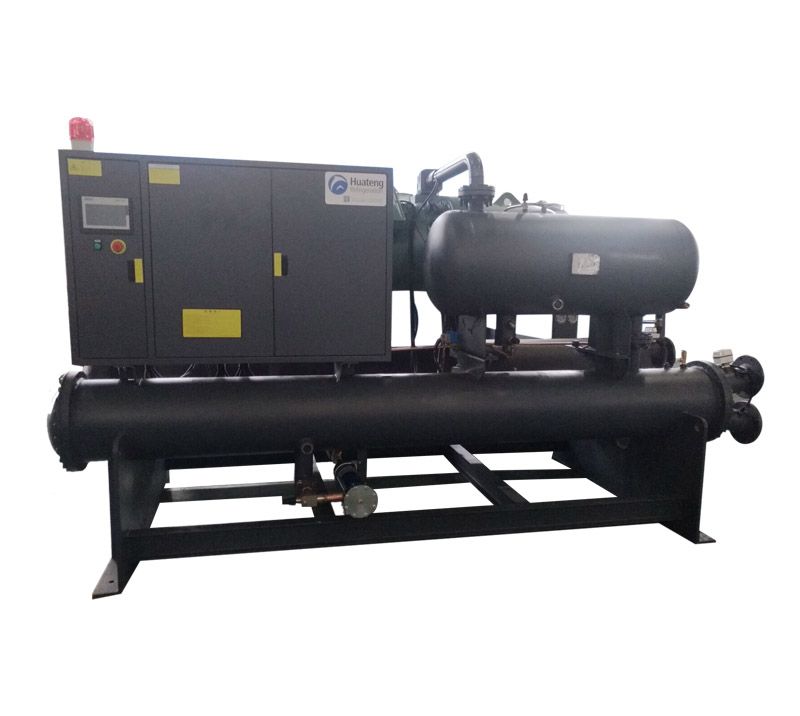
Safety precautions
1. Do not open the electronic control device when the chiller is running, as there is a risk of electric shock.
2. When abnormal noise occurs, stop the switching power supply device immediately.
3. Do not place flammable gas or combustible materials nearby, especially in hot summer weather, which is prone to high temperatures.
4. When the equipment is running, do not put your hands into the chiller.
5. When the chiller is running, be sure to check the operation and usage.
Precautions during maintenance
1. During maintenance and inspection of the control device, the power supply should be disconnected for 10 minutes before inspection.
2. Non-operators are prohibited from touching the switch of the electrical cabinet. (Note: There is a risk of electric shock)
Related links:3. It is forbidden to touch the operating equipment when your hands are wet or wet. (Note: To prevent injury or electric shock)
4. When the water chiller is not used for a long time, please turn off the power to ensure safety.
5. Please bring the tools before maintenance and inspection.
6. Please do not perform maintenance or repair work until it has completely stopped.
Precautions when starting up after maintenance
1. Check the power light to confirm whether there is power.
2. Check the high and low pressure gauges to confirm whether the pressure is normal.
3. Check if there are any obstacles around you.
4. Check whether the pipeline is blocked.
Previous: How does a Mercotac work?
Next: Revolutionizing Efficiency: 5P Industrial Chiller Machine. How?
Related Articles
If you are interested in sending in a Guest Blogger Submission,welcome to write for us!









All Comments ( 0 )