

Aug. 08, 2025
The term “NPK” on a fertilizer label represents nitrogen, phosphorus, and potassium — the three essential macronutrients required for healthy plant growth. The numbers that follow indicate the percentage ratio of each nutrient in that exact order.
Even if the label does not explicitly show “NPK,” a sequence of three numbers, such as 5-10-5, still refers to 5% nitrogen, 10% phosphorus, and 5% potassium. In this case, the fertilizer contains a total of 20% primary nutrients, with the remaining 80% made up of secondary nutrients or inert fillers. While plants require around 16 nutrients in total, some are absorbed from air and water, while others — such as iron, calcium, and chlorine — come from the soil.
All three components in NPK are vital for plant growth, each serving a distinct role. Here’s what each nutrient contributes:
Represented by the first number in an NPK sequence, nitrogen is essential for chlorophyll production and the vibrant green color of plants. It promotes healthy leaf development and is particularly beneficial for lawns and foliage plants where lush greenery is the goal. Conversely, nitrogen deficiency — often visible as yellowing leaves — can hinder plant health and growth.
The middle number indicates the phosphorus content. Phosphorus supports strong root growth, abundant flowering, and fruit production. It is especially valuable in spring, when plants are establishing roots and forming seeds. This nutrient is integral to many key plant processes, from early development to reproduction.
The final number shows the potassium level. Potassium enhances overall plant vigor, strengthens resistance to disease, and improves water and nutrient movement within the plant. It is especially important in regions with cold or dry climates, helping plants withstand environmental stress.
Beyond NPK, many fertilizers contain secondary nutrients and micronutrients, listed on the side or back label. These may include calcium, magnesium, iron, and trace minerals, as well as organic matter and fillers. While these elements are needed in smaller amounts, they play a valuable supporting role in ensuring balanced, healthy plant growth.
A NPK fertilizer labeled “10-10-10” is considered a balanced or complete fertilizer because it contains equal proportions of nitrogen, phosphorus, and potassium. In contrast, a fertilizer such as “10-0-10” is classified as incomplete because one of the three primary nutrients is absent.
An incomplete fertilizer is not necessarily less effective than a complete one. The best choice depends on your soil’s existing nutrient levels and your plants’ specific needs. If your soil already contains an excess of one nutrient, adding more could harm your plants. In such cases, an incomplete or unbalanced fertilizer may be the better option.
For this reason, soil testing is highly recommended before applying any fertilizer. Without testing, adding nutrients becomes guesswork — and the results, whether beneficial or harmful, are left to chance.
Organic fertilizers are made from plant, animal, or mineral sources and supply nutrients naturally. Labels on these products must indicate which nutrients are organic and specify their proportions as synthetic or natural. For example: “20% nitrogen (6% synthetic, 14% organic).”
Common organic fertilizer sources include manure, alfalfa meal, kelp, bone meal, blood meal, fish emulsion, cottonseed meal, sewage sludge, soft rock phosphate, and green sand. These ingredients not only provide nutrients but can also improve soil structure and microbial activity over time.
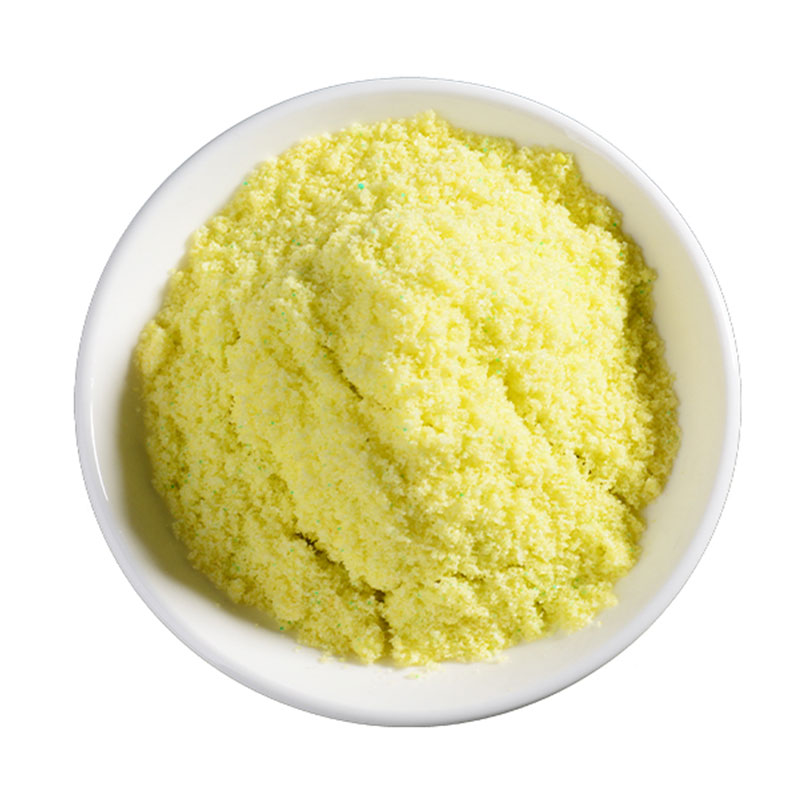
To give your plants the nutrients they truly need, you must first understand what your soil already contains — especially if you are starting a new planting project. Different plants have different nutrient requirements, and adding the wrong type of fertilizer can lead to poor growth or even harm your plants.
Understanding Soil Amendments
Amendments are materials you add to the soil to improve its condition. Fertilizers are one type of amendment, aimed at boosting nutrition. Others address specific issues — for example, agricultural lime reduces soil acidity, while sand or grit improves drainage by increasing soil porosity.
Even with the right fertilizer, plants can’t absorb certain nutrients if your soil’s pH is too high or too low. That’s why testing is essential. For instance, adding high-nitrogen fertilizer to soil already rich in nitrogen can result in lush green leaves at the expense of flowers or fruit production.
Test Your Soil
A soil test reveals existing nutrient levels and pH. You can use a home testing kit, send a sample to a lab, or contact your local cooperative extension office for professional analysis.
Identify Your Plants’ Needs
Different plants require different nutrient ratios. Leafy greens thrive with higher nitrogen, while fruiting and flowering plants benefit from more phosphorus. Know your plants before choosing a fertilizer.
Look for Plant-Specific Formulations
Many fertilizers are designed for specific uses — such as lawns, bulbs, houseplants, flowers, fruits, vegetables, or acid-loving plants. If your soil is neutral, these can be a good match; if not, adjust according to your soil test results.
Read the Fertilizer Analysis Label
The N-P-K ratio on the label should closely match your soil’s needs. Aim to get nitrogen levels right and avoid excessive phosphorus, which can interfere with water absorption.
Choose the Right Form
Quick-release fertilizers (often liquid) work well for fast results, such as when establishing a new lawn. Granular slow-release fertilizers provide nutrients gradually, promoting steady growth over time.
When in Doubt, Use Compost
If you’re unsure about your soil’s nutrient levels, compost is a safe alternative. You can also opt for a slow-release fertilizer, which minimizes the risk of nutrient overload.
Different plants have different fertilizer requirements — some need frequent feeding, while others require little or none. A regular fertilizer schedule can keep plants healthy and productive, but over-fertilizing can damage or even kill them, often by burning foliage and roots when too much is applied too quickly or directly to leaves.
To determine the correct application rate and frequency, always follow the instructions on the fertilizer label and refer to the specific care guidelines for your plant. You can also consult your local cooperative extension office for regional recommendations, as soil conditions vary — for example, some areas naturally have more acidic soils.
In spring, lawns typically benefit from a nitrogen-rich fertilizer. If the recommendation is 1 pound of nitrogen per 1,000 square feet, and your fertilizer contains 20% nitrogen, you would apply 10 pounds of that fertilizer evenly over the lawn. Most lawns thrive with monthly fertilization from April to November, skipping the hottest midsummer months (July and August). However, the actual schedule should be based on soil nutrient levels — another reason soil testing is important.
Factors Affecting Fertilizer Needs:
Type of plant
Slow-release vs. quick-release formulations
Mowing practices (for lawns)
Watering frequency and method
Weather and temperature conditions
Soil texture (clay, loam, sand)
Soil pH
The best time to apply fertilizer is when the sun is not directly overhead, reducing the risk of burning foliage. Whether you apply it before or after rainfall or watering depends on the type of fertilizer you use. Fertilizers are available in several forms — granular, liquid, powder, crystals, or spikes — each with its own application method.
Granular Fertilizer
Granular fertilizers are dry pellets, commonly used for lawns, and are often slow-release, supplying nutrients gradually over time. They are best applied with specialized spreaders — such as broadcast, drop, or hand-held models — for even coverage. Apply granular fertilizer before rainfall so that water can help dissolve and distribute the nutrients. Avoid applying to wet grass, as granules may stick to the foliage and increase the risk of chemical burn.
Liquid, Powder, or Crystal Fertilizer
These fertilizers are typically sold as concentrates, powders, or crystals that must be diluted with water. Most are quick-release, delivering nutrients to plants almost immediately. Application is simple using sprayers or hose-end attachments. For lawns, apply to already-wet grass to reduce the risk of leaf burn from the fertilizer’s chemicals.
Fertilizer Spikes
Fertilizer spikes offer a low-maintenance, “set-and-forget” option. Although generally more expensive, they provide slow, steady nutrient release directly into the soil. Spikes are often designed for trees, shrubs, container plants, or houseplants. To apply, insert them into soft, damp soil at the drip line — the area beneath the outer edge of the plant’s canopy where water naturally falls toward the roots.
What is 20-20-20 fertilizer used for?
A 20-20-20 fertilizer is typically used to feed flowers and garden vegetables. It contains equal amounts of nitrogen, phosphorus, and potassium — each at 20% — which is double the nutrient concentration found in a common 10-10-10 fertilizer.
What are the signs of too much nitrogen in soil?
Excess nitrogen can cause noticeable changes in plant leaves, including darker or excessively lush foliage, thicker leaf texture, and in some cases, leaf drop or wilting. Severe overfertilization can temporarily damage plants or even kill them.
Is NPK toxic to animals?
Yes, NPK fertilizers — especially those containing herbicides or insecticides — can be toxic to pets. Keep animals indoors until treated areas are dry. Many fertilizer ingredients can cause gastrointestinal distress, vomiting, or other health issues in dogs, so avoid allowing pets near freshly fertilized areas, particularly when the surface is still wet.
What’s the best NPK ratio for fruits like tomatoes?
For tomatoes, the best NPK ratios are those with lower nitrogen levels (the first number) compared to phosphorus and potassium. Common tomato fertilizer ratios include 2-5-3, 3-4-6, 3-6-4, or 4-7-10. These blends support fruit development without encouraging excessive leaf growth and can also be used for other fruiting vegetables.
Previous: None
Next: None
If you are interested in sending in a Guest Blogger Submission,welcome to write for us!

All Comments ( 0 )